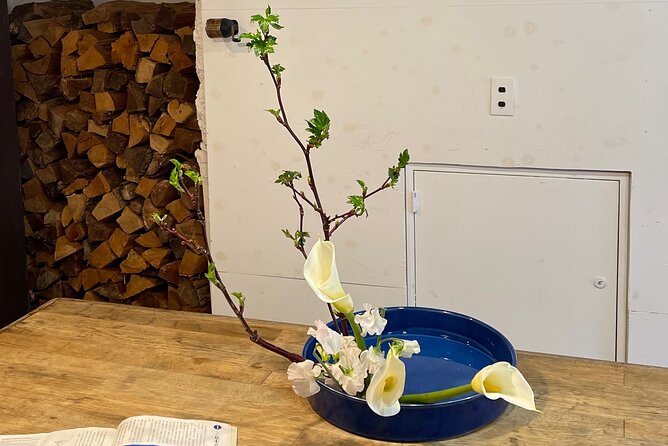
Reviewed · TOKYO TOURS
IKEBANA experience
Flowers, calm focus, and a real Japanese home. This Ikebana lesson in Meguro lets you learn in careful English with Hiromi, inside Japanese-style rooms where you can also take in the neighborhood feel of a Japanese house. If you have time after the lesson, you can finish with matcha and traditional sweets.
I love the hands-on structure, starting with Hiromi making a sample from a textbook and then helping you build your own arrangement step by step. I also love the personal wrap-up, including time for a tatami-room break with Japanese sweets and matcha if it fits your schedule. After you create your work, you’ll also take a photo to remember what you made.
One consideration: this is a private, home-based experience, so it is not a fast sightseeing sprint, and it’s subject to good weather. If you want only street views and landmark stops, you may want to pair this with other Tokyo plans.
Key highlights worth your time
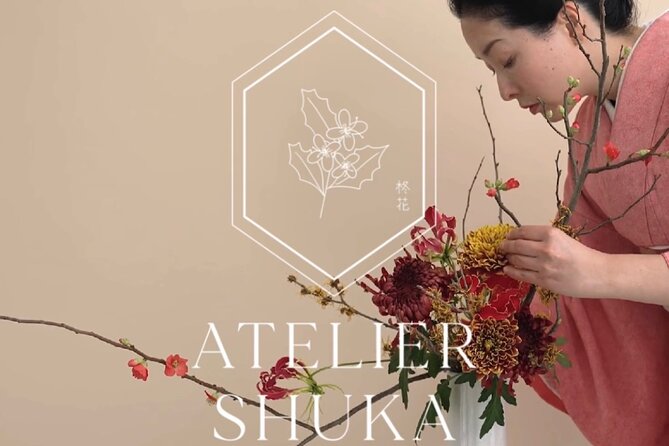
- Private lesson in a Japanese home setting, near Toritsu-daigaku Station
- Textbook-guided ikebana, starting from Hiromi’s sample and moving to your own arrangement
- One-on-one style help, with corrections and space for your creativity
- Matcha and wagashi in a tatami room if you have time after finishing
- Basic tea ceremony option for people who want to go one step deeper
- A take-home path, since you can buy supplies so you can keep practicing at home
Ikebana in Tokyo feels personal when it happens in someone’s home
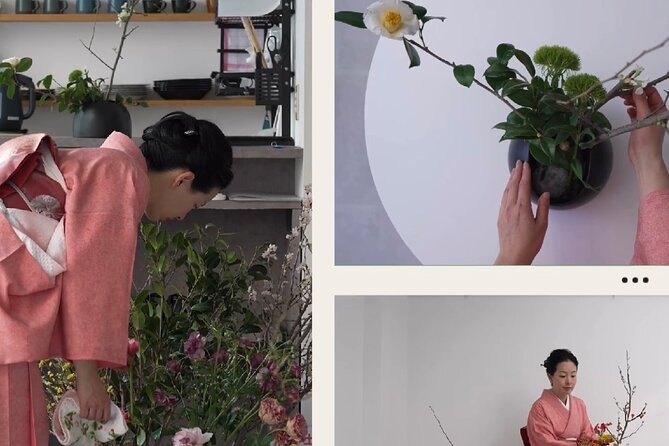
This class is built around a simple idea: good Japanese art is best learned in a calm setting, not a noisy room. Instead of rushing, you slow down with Ikebana in a Japanese-house atmosphere, where the space itself supports the focus. You also get a neighborhood feel for how Tokyo life can look when you step into a traditional setting.
I like that the teaching tone is careful and gentle. Hiromi teaches in English and makes room for questions, which matters if you are new to Japanese culture or just want to understand what you are seeing. That cultural back-and-forth is part of why this feels less like a “craft stop” and more like a real introduction.
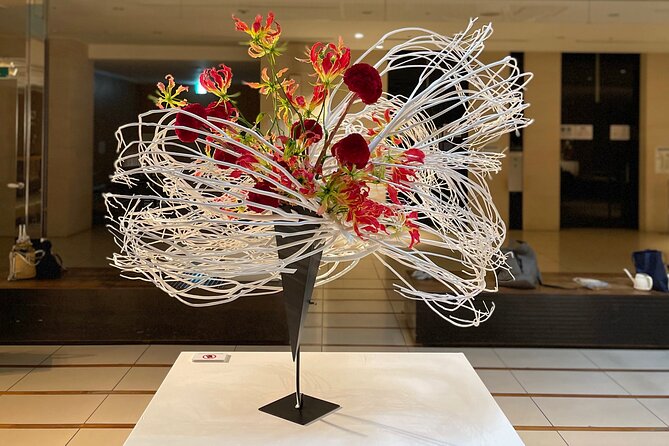
You’ll also likely appreciate the “small win” feeling built into the session. You start with a sample, then you create a piece you can actually be proud of, not just something you copy and forget. And the photo is a nice touch, because flowers and lines are hard to capture later without a reminder.
A few more Tokyo days worth comparing
- Mt Fuji and Hakone 1-Day Bus Tour Return by Bullet Train
★ 5.0 · 26,383 reviews - 1-Day Tokyo Bus Tour
★ 5.0 · 14,250 reviews - Tokyo: TOKYO SKYTREE® Admission ticket
★ 4.5 · 11,192 reviews
Finding your way: Toritsu-daigaku Station to a quiet neighborhood studio
Your meeting point is at Toritsu-daigaku Station, in Meguro City (1-chōme-5-1 Nakane, Tokyo 152-0031). That location is helpful because it puts you on the public-transport side of Tokyo, rather than requiring a long, complicated transfer.
In a home-based class like this, the path from transit to the studio can matter. Several comments describe Hiromi meeting guests at the station and helping guide the way, even carrying an umbrella when the sun is intense. The practical takeaway for you: plan for a short walking stretch after you exit the station, and arrive a few minutes early so you are not stressed when you meet your host.
The class ends back at the meeting point. That is a relief if you do not want to build extra logistics around the workshop location. It also makes it easy to continue your day in Tokyo right after your arrangement is done.
The 90-minute flow: sample, your turn, revisions, and a photo
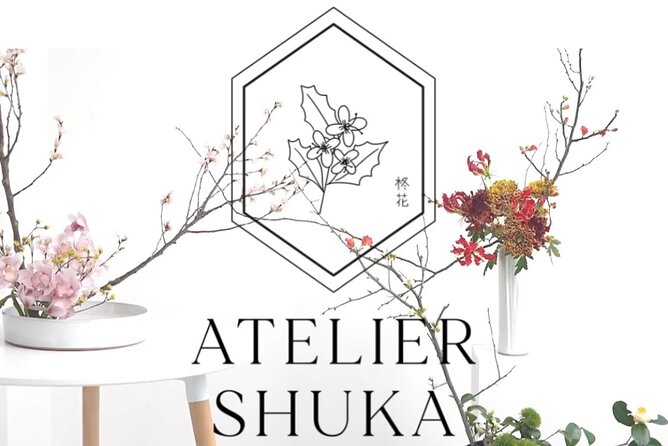
This session runs about 1 hour 30 minutes, and the teaching method is clear. First, Hiromi prepares a sample arrangement while looking at a textbook. That matters because it gives you a model for how the art is organized, not just what the final flower display looks like.
Then the class moves to your own arrangement. You create it yourself using the guidance you just saw, with Hiromi checking along the way. She comments and revises what you make, which is the difference between “I followed instructions” and “I learned what to do next time.”
You also get time for a photo after your piece is finished. For a beginner, that can feel a little emotional in a good way. You get a tangible result you can bring back to your apartment and show people, which helps turn the lesson into a real memory.
If you care about structure, this is one of the better lesson formats. It prevents the common beginner problem of staring at flowers and feeling stuck. You see the steps, you do the steps, then you improve the steps.
What you actually learn about Ikebana, beyond flower placement
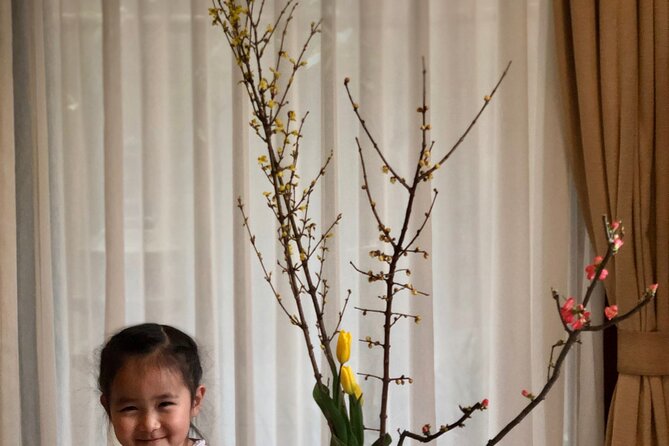
Ikebana is often described as flower arranging, but the deeper idea is that it’s about line, balance, and thoughtful choices. This class supports that perspective right from the start. Hiromi teaches the foundations and also brings in history, so you are not just learning “how to place stems,” you are learning why the art looks the way it does.
One pattern that comes through clearly is that Hiromi adjusts with kindness and patience. When you are trying something new, small corrections can make a big difference. The goal is not perfection, it’s understanding the basics well enough that your arrangement reflects your own decisions.
Another thing I like: the lesson is flexible. If there is a type you want to learn from the basics, you can request it, and the structure can support learning what you want using textbook guidance. That means you are not locked into one rigid outcome, which is important if you learn best by focusing on specific questions.
If you are hoping for a “cultural add-on,” this works because you can ask what you want to know about Tokyo or Japan during the session. That makes the class feel like a conversation, not just a hands-only activity.
Same corner of Japan, a different kind of day:
- Tokyo: teamLab Planets TOKYO Digital Art Museum Entry Ticket
★ 4.6 · 9,779 reviews - Mt Fuji & Hakone Cruise, Drum Show Bullet Train 1 Day from Tokyo
★ 4.0 · 7,413 reviews - Tokyo: Sumo Show Experience with Chicken Hot Pot and a Photo
★ 4.8 · 6,678 reviews - Tokyo: Shinjuku Food Tour (13 Dishes at 4 Local Eateries)
★ 5.0 · 6,603 reviews
The best part of the break: matcha and wagashi in tatami calm
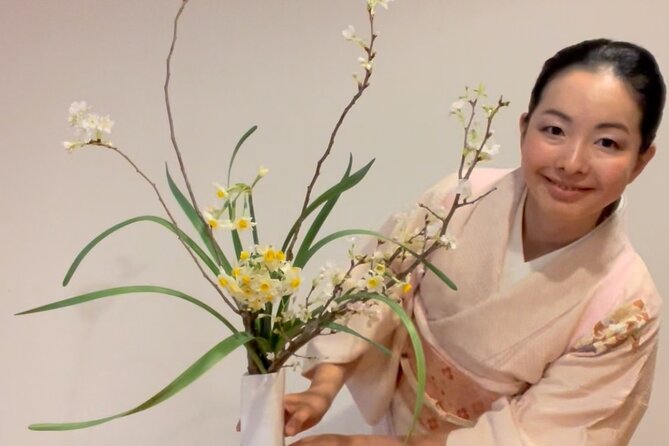
You may think the flowers are the main event, but the finish can be just as memorable. If you have time after you complete the arrangement, the experience includes Japanese sweets and matcha. In particular, many sessions end with tasting in a tatami room, which changes the mood completely.
This part feels valuable for two reasons. First, it turns your lesson into a full cultural moment, where you experience Japanese hospitality at the same time as the art. Second, matcha and wagashi are not random extras, they fit naturally with the tea-adjacent themes of Japanese culture that many people associate with ikebana.
For your planning, the key is simple: do not book this right before something that will force you to rush out. Leave breathing room so the sweet and tea part can happen if it’s offered for your timing.
Tea ceremony basics if you want to go further
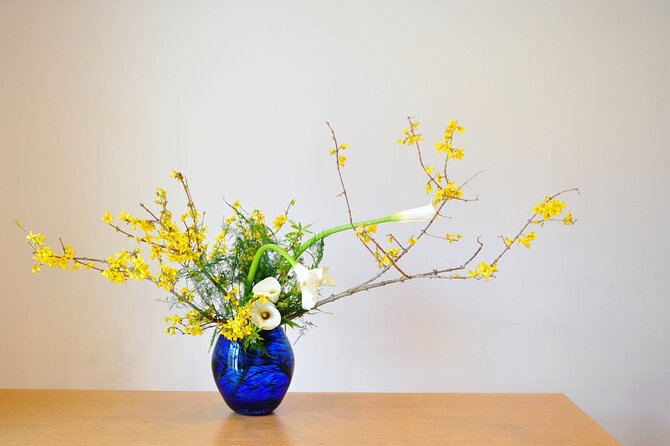
If you’re interested in tea ceremony, this class can teach you basic tea ceremony steps. That option matters if you want connections between different Japanese arts. Ikebana often gets linked to tea culture because both emphasize attention, timing, and respect for the moment.
The promise here is basic, not complicated performance. So it’s a good fit whether you are new to tea ceremony or you already know a little and want the simple fundamentals explained in an approachable way.
Even if you don’t pursue tea ceremony fully, asking about it can help you understand why Japanese arts feel coordinated. Small gestures and careful pacing show up in both worlds, and this class gives you a taste of that relationship.
Price and value: what you’re paying for
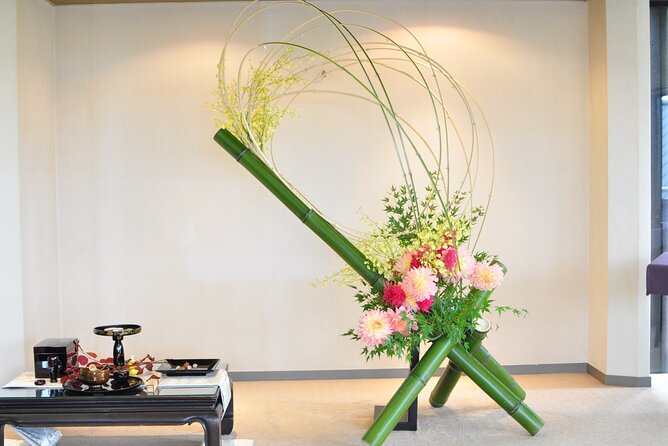
At $115.31 per person for about 1.5 hours, this is not the cheapest souvenir-style activity. But it can be strong value if what you want is quality instruction and a meaningful Japanese setting.
Here’s what helps justify the cost based on what you receive:
- Private, instructor-led teaching tailored to your own arrangement
- Hiromi’s English instruction, including history and practical corrections
- The included photo of your final work
- The chance to add matcha and Japanese sweets, plus tea ceremony basics if you’re interested
- The home-studio atmosphere, which includes Japanese rooms and a more lived-in Tokyo feel
There’s also a “value that’s hard to price” element: patience. Multiple comments point out how smoothly Hiromi teaches beginners, including support for adults and even younger participants. That matters because learning an art form takes time, and this style of pacing can save you frustration.
One more small cost consideration: you might want to buy supplies so you can keep practicing at home. If you plan to continue, that can add a little extra spending, but it turns your class into a longer-term hobby instead of a one-day memory.
Who should book this class, and who might not
This is a great fit if you want:
- A beginner-friendly introduction to Ikebana with clear steps
- English explanations and the chance to ask questions
- A calm, intimate activity in a Japanese home setting, rather than a crowded venue
- A cultural add-on with matcha, wagashi, and optional tea ceremony basics
It may be less ideal if you’re chasing:
- A schedule packed with major sights
- An experience that feels like a typical urban museum workshop
- A class that you need to be extremely fast, since the point is to learn and create properly
A smart way to decide is to think about your travel style. If you like slow, hands-on experiences that connect you to local life, this will feel right. If you want only highlights and photos from the street, you may get more satisfaction pairing this with other Tokyo activities.
Practical tips before you go
A few things can help you get the most out of your 90 minutes.
First, arrive with questions. The experience explicitly invites you to ask what you do not know or want to know about Tokyo or Japan. If you ask good questions early, the whole lesson feels more relevant to your trip.
Second, plan for the sweet and tea window if it’s offered for your schedule. The matcha and wagashi part is a big part of the overall experience, and it tends to be served after you finish arranging.
Third, decide what you want from the art. If you want to learn from the basics or focus on a specific style, it’s worth telling Hiromi so she can guide the lesson to your interests. That makes the class feel personal instead of generic.
Finally, keep your take-home plan in mind. The experience includes the option to buy supplies so you can continue making ikebana at home. If you care about bringing your skills back, ask about what you can pick up before you leave.
Should you book Hiromi’s Ikebana class?
If you want an experience that combines Japanese art, gentle English instruction, and a real home setting in Tokyo, I think this is a strong booking. The combination of making your own arrangement, learning the meaning behind it, and finishing with matcha and wagashi (plus optional tea ceremony basics) makes it feel like more than a short craft session.
Book it if your trip includes time to slow down. Schedule it when you can arrive relaxed and stay long enough for the tea and sweets part if available. Also, note that it is typically booked about 28 days in advance, so if your dates are fixed, don’t wait until the last minute.
Skip or reconsider if your priority is only famous landmarks and constant movement. This experience is about calm focus and creating something personal, not ticking off Tokyo sights.
If that sounds like your kind of day, you’ll likely leave with a new appreciation for Ikebana and a tangible piece of Tokyo culture to take home.
FAQ
How long is the Ikebana experience?
The class runs about 1 hour 30 minutes.
Is this a private experience?
Yes. It is a private tour or activity, with only your group participating.
Is the lesson taught in English?
Yes. Hiromi will teach you carefully and gently in English.
Will I get matcha and Japanese sweets?
If you have time after the lesson, Japanese sweets and matcha are prepared for you.
Can I learn basic tea ceremony during the class?
If you are interested in tea ceremony, the experience includes teaching you how to make basic tea ceremony.
Where does the experience start and end?
It starts at Toritsu-daigaku Station and ends back at the meeting point.
What kind of ticket do I receive?
You receive a mobile ticket.
What is the price and typical booking timeframe?
The price is $115.31 per person, and on average this is booked about 28 days in advance.
What is the cancellation policy?
You can cancel for free up to 24 hours in advance for a full refund.
Are most people able to participate?
Yes, most travelers can participate. Confirmation is received at the time of booking.
Fresh options around Tokyo
- Tokyo: Nikko Kegon Falls Lake Chuzenji Toshogu Temple & More★ 4.9 · 12 reviews
- Tokyo: Samurai History Walking Tour★ 5.0 · 12 reviews
- Harajuku: Kawaii Fashion and Pop-Culture Tour★ 4.7 · 12 reviews
- Tokyo: Mt. Fuji & Lake Kawaguchi Instagram Full Day Trip★ 4.1 · 12 reviews
- Shibuya Tokyo: Modern Kintsugi Workshop in Shibuya★ 5.0 · 12 reviews
- Tokyo: GTR Guided Daikoku Experience at Night★ 5.0 · 12 reviews
- Tokyo: Daikoku JDM Car Culture Tour★ 4.6 · 12 reviews
- Mt Fuji Private Day Trip from Tokyo with English speaking driver★ 5.0 · 13 reviews
Tokyo Tours, compared.

Mt Fuji and Hakone 1-Day Bus Tour Return by Bullet Train
Read our review →


teamLab Planets TOKYO Digital Art Museum Entry Ticket
Read our review →
Mt Fuji & Hakone Cruise, Drum Show Bullet Train 1 Day from Tokyo
Read our review →
Sumo Show Experience with Chicken Hot Pot and a Photo
Read our review →
Shinjuku Food Tour (13 Dishes at 4 Local Eateries)
Read our review →