
Reviewed · COOKING CLASSES
Japanese Cooking and Udon Making Class in Tokyo with Masako
A Tokyo home kitchen feels instantly welcoming, with one-to-one teaching and all ingredients included. The main catch: Masako does not accept children for safety reasons.
You start with green tea, then Masako writes your name in Kanji with a calligraphy professional touch before you cook and eat a multi-course meal with drinks, including alcoholic beverages. Since Masako speaks limited English, a translator is present, and you’ll pick from four menu choices in advance.
Key highlights worth planning for
- Private, one-to-one style instruction means you can ask questions while your hands are in the dough
- No ingredient shopping keeps the class focused on technique instead of errands
- Your name in Kanji becomes a take-home souvenir and a memorable start to the evening
- You’ll learn udon basics that matter like kneading, resting, cutting, and cooking for the right texture
- Tamagoyaki and tempura skills show up alongside udon, so you leave with more than one recipe
Why this Masako-led class feels more local than cooking-by-the-numbers
Tokyo has plenty of cooking classes. What makes this one different is the format. You’re not in a demo-only room with cameras and a fixed script. This is a private cooking class in Masako’s home, built for hands-on help while you work through each step.
The second thing I like for your trip planning: you do not need to shop. Ingredients are included, which saves time and removes the biggest stress for visitors who do not want to decode Japanese labels after a long day of sightseeing. It also means the class stays practical, centered on what you actually need for Japanese dishes you can recreate later.
The meal setup is also a big part of the value. You cook, you eat, and you get to pair the food with drinks. Many classes stop at tasting. Here you genuinely eat what you make, which helps the techniques stick.
More Cooking Classes in Tokyo
- Ramen & Gyoza Cooking Class in Tokyo with Local Supermarket Visit
★ 5.0 · 823 reviews - Tokyo: Easy Ramen Cooking Experience in Kabukicho, Shinjuku
★ 4.6 · 321 reviews - Ramen and Sushi Cooking Class with Sake Pairing Set in Tokyo
★ 5.0 · 291 reviews
Getting Oriented in Senju: where the class starts
The meeting point is in Adachi City, Senju, at Senju 4-chōme, and the activity ends back at the same spot. It’s described as near public transportation, which matters because there is no hotel pickup or drop-off.
Plan for this as a real local outing. You’ll want to build in extra time to get there, even if you use trains. The good news is that you’ll have a fixed meeting point, and the class length is about 2 hours 30 minutes, so you can still fit it into a normal Tokyo day.
Once you arrive, you’re welcomed with a cup of green tea. Then Masako begins the calligraphy portion by writing your name in Kanji. In practice, this does two helpful things: it sets a calm, friendly tone, and it makes the whole evening feel personal from the first minute.
The Kanji name calligraphy moment, and what it adds to your cooking
This class includes a souvenir made from your name written in Kanji. Masako is described as a qualified calligraphy professional, and that matters because the souvenir is not treated as a quick photo prop. It’s part of the experience.
A small but meaningful bonus is that the calligraphy moment gives you a break from the kitchen rush. You get a chance to slow down, meet your host, and feel the rhythm of the evening before you start kneading or frying.
If you’re the kind of traveler who enjoys cultural details that connect to daily life, this is one of those touches that feels earned. You are learning food in a home setting, and you’re also seeing another skill that belongs to that same world.
The udon workshop: kneading and cutting with real purpose
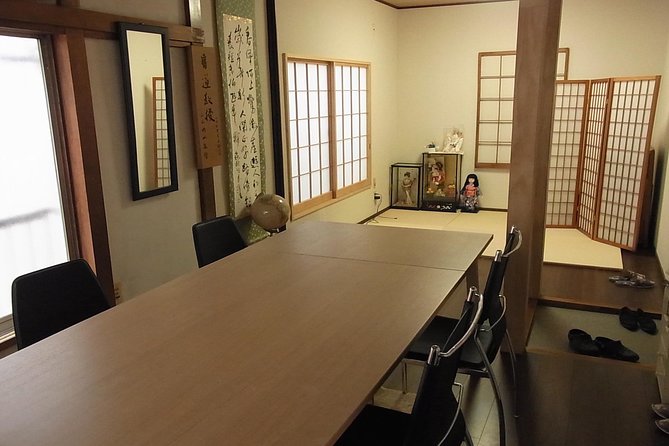
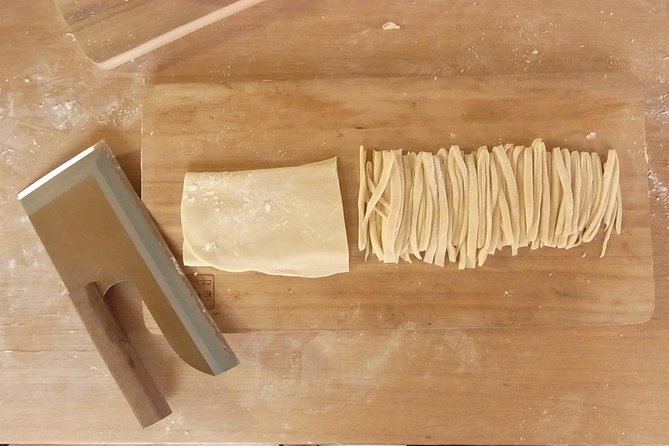
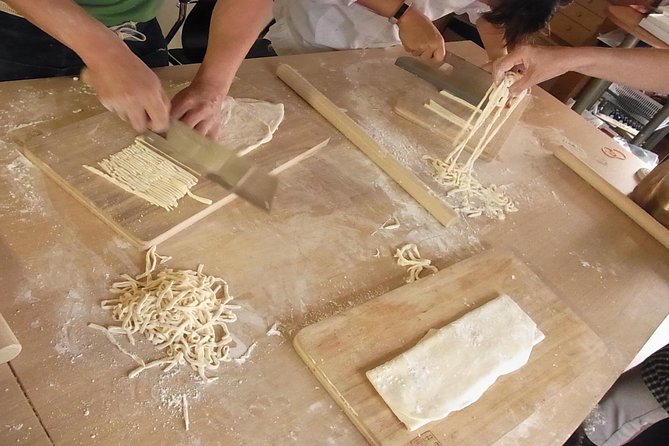
Udon is a favorite in Japan for good reason: it’s comfortable food, not fussy. But making udon from scratch is not just mixing and boiling. The class focuses on technique, especially the part many home cooks struggle with: the dough.
Expect to learn a sequence that typically includes:
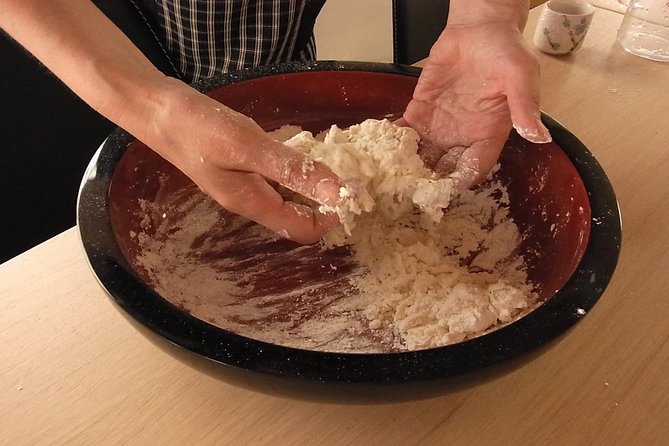
- Kneading the dough properly
- Resting it so it behaves when you roll or cut
- Flattening and cutting into noodles
- Cooking until the texture matches what you expect from udon
A lot of visitors come in thinking udon is simple. The best part of this class is that it stays simple without being vague. You learn what to look for while you’re working, not just what to do.
One more practical angle: udon dough can be sensitive to hydration and handling. In real hands-on teaching, you end up learning water ratio thinking, and how different flours behave. That’s the kind of detail you can carry home, even if your kitchen is different from Masako’s.
Same corner of Japan, a different kind of day:
- Mt Fuji and Hakone 1-Day Bus Tour Return by Bullet Train
★ 5.0 · 26,383 reviews - 1-Day Tokyo Bus Tour
★ 5.0 · 14,250 reviews - Tokyo: TOKYO SKYTREE® Admission ticket
★ 4.5 · 11,192 reviews - Tokyo: teamLab Planets TOKYO Digital Art Museum Entry Ticket
★ 4.6 · 9,779 reviews
Tamagoyaki and tempura: learning the steps you can actually repeat
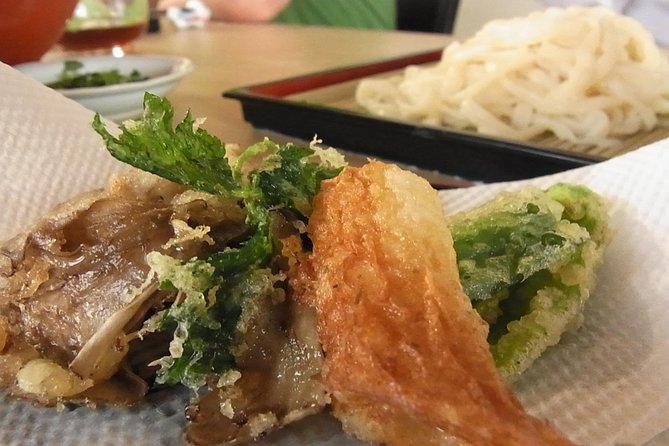
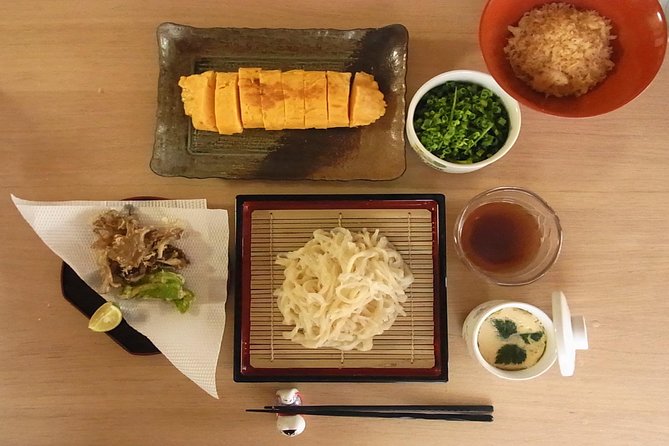
This class is built around udon, but it usually goes further into other Japanese comfort-food staples. Based on the dishes described and the typical flow, you may make items like tamagoyaki (rolled Japanese omelet) and tempura (fried vegetables and sometimes seafood, depending on your menu choice).
Tamagoyaki, the sauce-less practice of control
Tamagoyaki is mostly technique. You’re managing heat, timing, and rolling so the omelet layers set evenly. When instruction is one-on-one, you can adjust on the fly. That’s a big deal because beginners often struggle with uneven cooking or breaking the roll.
In a class like this, you’re not just trying to copy a finished omelet. You’re learning how the egg behaves in the pan and how to keep the process steady.
Tempura, where small tricks matter
Tempura looks easy until you try it. The class approach helps you focus on practical things, like frying order and handling so your coating stays light. Many people walk away feeling confident because they worked through the process themselves, not just watched it happen once.
If you pick a menu that includes shrimp or a mix of vegetables, you’ll get a feel for how different ingredients respond in hot oil. That’s the kind of experience that transfers to your home cooking.
Your multi-course meal: the best part is that you eat it
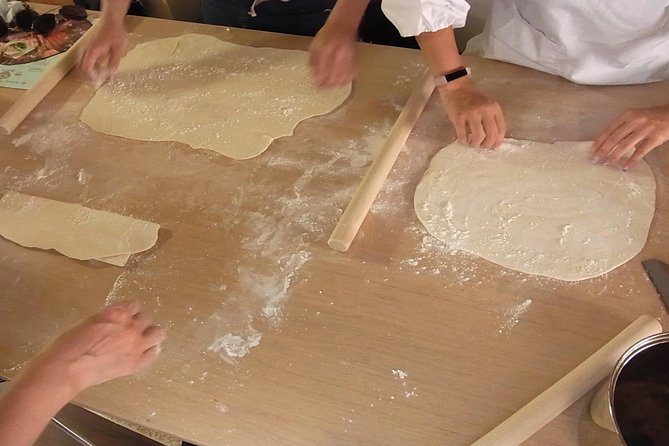
The structure is designed so you don’t cook for an empty room. You make the dishes and then you eat what you prepared. That sounds obvious, but in Japan it’s not always guaranteed. Here, the meal is a core feature of the value.
You’ll also start and finish with a warm, social feel. Tea comes at the welcome, and drinks are included with the class, including alcoholic beverages. This makes the evening feel more like dinner with instruction than a rushed workshop.
Also, Masako offers four menu choices, and you’re asked to message your preference ahead of time. This is important for planning. If you have dietary restrictions or strong preferences, reach out early so the menu aligns with what you can enjoy comfortably.
A practical tip: come hungry, but not too hungry. You will be working with dough and cooking, which takes energy. Hunger helps, but you also want enough calm focus to learn the techniques.
Small extras that turn a class into a memory
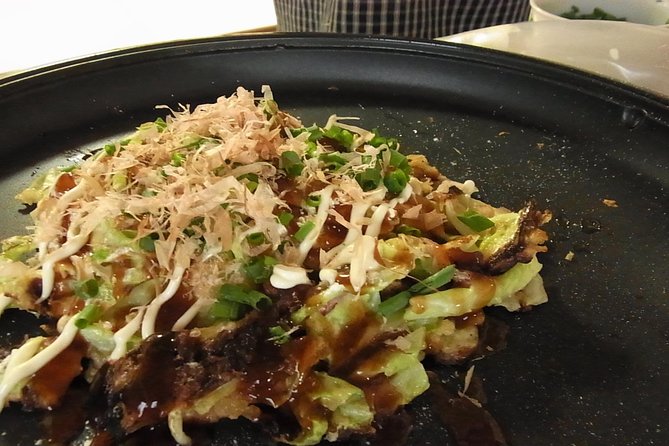
The calligraphy souvenir is the formal takeaway. But you may also notice a pattern of thoughtful touches that show up in the overall tone of the evening. Some sessions include additional crafted items, like personal paper goods tied to your names, and there can be extra kindness when weather is rough.
One practical consideration: you should treat the experience as a genuine home setting, not a polished show. That’s the point. Things can feel warm, slightly informal, and very hands-on. If you enjoy that, you’ll get a lot more out of the time.
Price and value: what $142 buys you in Tokyo terms
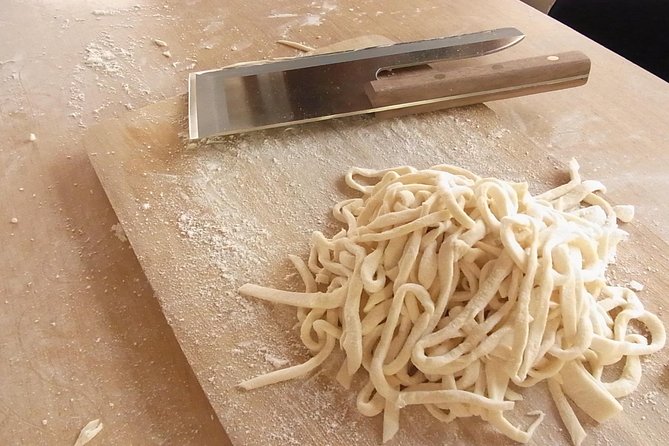
At $142 per person for about 2 hours 30 minutes, this is not a cheap meal. But you are paying for three things that are hard to replicate on your own: private instruction, included ingredients, and your take-home calligraphy souvenir.
Think about what that means on your trip:
- If you want one or two dishes, you might justify it as a high-end dinner plus skill-building.
- If you care about technique, not just food, you’ll value the step-by-step guidance and the chance to fix mistakes immediately.
- If you’re traveling with a partner or small group, the private home format keeps it from feeling crowded.
Also, group discounts are listed as a feature. If you have a group and want to reduce the per-person impact, it’s worth checking what discounts apply to your exact booking.
Bottom line on value: it’s best seen as a hands-on meal experience where the real product is technique plus a memorable personal souvenir, not just eating.
Practical stuff that can affect your day
Here are the details that matter most when you’re trying to fit this into a Tokyo itinerary:
Language and how instruction works
Masako has limited English, and a translator is present. You should expect smooth guidance even if your Japanese is basic. The translator is there so you can understand steps, not just hear general explanations.
Age limits
Masako does not accept children for a cooking class for safety reasons. Plan accordingly if your group includes anyone young.
Getting there
No hotel pickup or drop-off is included. The meeting point is in Senju, Adachi City, near public transportation. That means you’ll need to handle transit yourself.
Timing and booking
The class is about 2 hours 30 minutes. Confirmation is received within 48 hours of booking, subject to availability, and it’s described as commonly booked around 52 days in advance. If you’re traveling in a busy season, earlier planning helps.
Who should book this udon-and-cooking class
This is a great fit if you:
- Want a Tokyo home cooking experience instead of a tourist-style demonstration
- Enjoy learning food technique you can repeat at home, especially udon dough handling
- Want a cultural add-on via calligraphy that connects to your name and memory of the evening
- Prefer small-group, private help when you’re learning cooking basics
You might consider skipping if:
- You need a kid-friendly option, since children are not accepted
- You want a purely English-only experience without any translator involvement
- You are looking for a very fast evening. It’s 2 hours 30 minutes, and it’s hands-on, so it takes real time and energy
Should you book it?
Yes, if your goal is to go beyond tasting and actually learn how Japanese dishes work in a real kitchen. The best reason to book is the combination of private, step-by-step help and the fact that everything is included, from ingredients to your calligraphy souvenir.
It’s also a strong pick for couples or small groups who want a memorable night that feels like more than another paid activity. If you come hungry, ask questions, and pick your menu carefully, this is the kind of Tokyo experience that sticks.
FAQ
Is this cooking class private?
Yes. It is a private tour or activity, and only your group participates.
How long is the class?
The duration is about 2 hours 30 minutes.
What is included in the price?
The class with host Masako, alcoholic beverages, and all fees and taxes are included. Hotel pickup and drop-off are not included.
Do I need to shop for ingredients?
No. You do not need to shop because everything is included.
Will there be a translator if my Japanese is limited?
Yes. Masako speaks limited English, so a translator will be present during your experience.
Can children join the class?
No. Masako does not accept children for safety reasons.
How do I choose the menu?
Masako offers four menu choices. You need to message your preference in advance.
FAQ
Where does the class take place?
The meeting point is in Adachi City, Senju, Tokyo, at 4-chōme 275 長円寺, and the activity ends back at the same meeting point.
What do I take home?
You’ll have a souvenir with your name written in Kanji as part of the experience.
Is free cancellation available?
Yes, you can cancel for a full refund up to 24 hours in advance of the experience start time.
Fresh options around Tokyo
- Tokyo: Sumo Morning Practice with Photo Banzuke and Guide★ 4.9 · 34 reviews
- Shinjuku: Private Bar Hopping★ 5.0 · 34 reviews
- [Private]Shinjuku Golden Gai Bar Hopping w/ Japanese Local Guide★ 5.0 · 34 reviews
- Tokyo: Locals´ Secret Food Tour // Eat like a Japanese★ 5.0 · 35 reviews
- Tokyo Traditional Geisha Show and Japanese Fine Dining Experience★ 4.5 · 35 reviews
- Private Drifting Lesson w/ OG Pro Instructor Tokyo Drift Japan★ 5.0 · 35 reviews
- Tokyo: Mt. Fuji, Arakurayama Sengen Park, Oshino Hakkai Tour★ 4.3 · 35 reviews
- Premium Tokyo Go-Kart Tour in Shibuya to Shinjuku (*IDP Required)★ 4.5 · 35 reviews
Cooking Classes, compared.
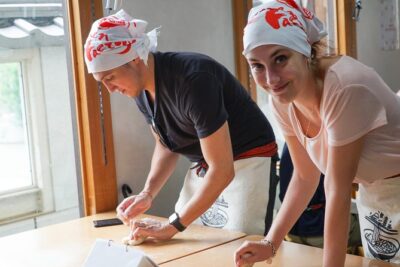
Ramen Cooking Class at Ramen Factory in Kyoto
Read our review →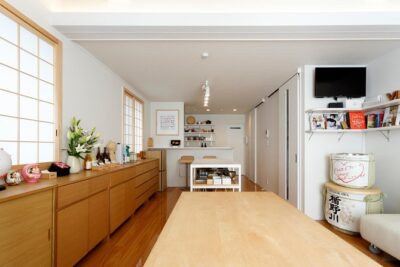
Ramen & Gyoza Cooking Class in Tokyo with Local Supermarket Visit
Read our review →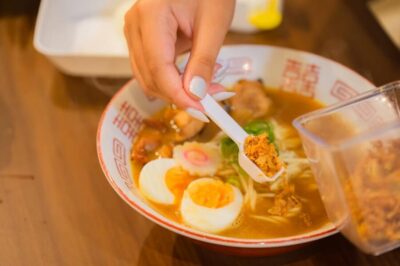
Ramen Cooking Class at a Ramen Factory with Souvenir
Read our review →
Japanese Washoku Bento Small Group Cooking Class
Read our review →
Easy Ramen Cooking Experience in Kabukicho, Shinjuku
Read our review →
Ramen and Sushi Cooking Class with Sake Pairing Set in Tokyo
Read our review →Browse the lists this tour appears in