
Mount Fuji looks best when the day runs smoothly. This private Mt. Fuji tour from Tokyo pairs an air-conditioned car, hotel pickup, and an English-speaking guide with stops around Fujiyoshida and the Fuji Five Lakes.
What I like most is the flow. You get round-trip transfers from your hotel, so you are not stitching together trains and buses all day. And because it is private, you can focus your time on the views you care about, from Chureito Pagoda to Lake Kawaguchiko.
One drawback to plan for: visibility. If clouds roll in, you can still enjoy shrines, ice caves, and lakeside viewpoints, but seeing Mt. Fuji sharply can be hit or miss on the day. This experience depends on good weather, and it is built around making the best of whatever conditions show up.
Key points you’ll care about
- Tokyo hotel pickup and drop-off with a private, modern car, plus parking, tolls, and gas covered
- English-speaking guide plus real flexibility to pick 5-6 stops from a ready-made list
- Chureito Pagoda and Arakura Sengen Shrine for one of the most classic Mt. Fuji viewpoints
- Mt. Fuji 5th Station logistics can shift in hiking season, with a shuttle bus instead of car access
- Optional upgrades like the Mount Fuji Panoramic Ropeway, Itchiku Kubota Art Museum, and Narusawa Ice Cave
- Fees not included for several attractions, so budget a bit beyond the base tour price
Tokyo to Fuji, without the travel headache
A Mt. Fuji day trip can be deceptively hard. Tokyo traffic is real, and public transport times can feel like they fight you. Here, the practical win is that you start with hotel pickup and end back at your hotel, in a private vehicle designed for comfort.
The drive time matters because the whole tour runs about 9 to 10 hours. That means most of your day is either on the road or at viewpoints that are timed for the light and the crowd level. If you leave early, you usually get an easier ride out of Tokyo and more usable time around Fujiyoshida and the lakes.
Also, the tour is for small groups. It is priced at $440 per group up to 3, which is a big deal if you are traveling with family or a couple of friends. Split that across three people and it starts to feel less like a luxury and more like you are buying back your time.
More Mt Fuji tours from Tokyo:
- Mt Fuji and Hakone 1-Day Bus Tour Return by Bullet Train
★ 5.0 · 26,383 reviews - Mt Fuji & Hakone Cruise, Drum Show Bullet Train 1 Day from Tokyo
★ 4.0 · 7,413 reviews - Tokyo Mt Fuji 5th St & Hakone Cruise Bus Tour w/Bullet Train
★ 4.4 · 5,024 reviews
How the English guide and driver change the day
This is not just a car rental with a map. You get an English-speaking guide, and the driver handles parking, timing, and the “how do we get there” problem all day.
In the kind of day this is, the guide role tends to be about three things:
- Photo and viewpoint timing so you are not only snapping while standing in the worst crowd bottleneck
- Route decisions when road conditions or weather shift the plan
- Clear explanations at shrines and scenic stops, so you understand what you are looking at instead of just walking past
You will also notice a pattern in how people describe strong days with guides like Amir and Shah: punctual pickup, smooth communication, and helpful recommendations for where to pause for photos and breaks. Some guides are also reported as especially patient when families needed adjustments, and at least one guide description highlights support for mobility needs by suggesting which areas are worth the walk.
Chureito Pagoda and Arakura Sengen Shrine: the classic Fuji moment
Chureito Pagoda is the stop almost everyone recognizes, and that is exactly why it is worth planning. The pagoda sits inside the Arakura Sengen Shrine area in Fujiyoshida City, and it is approached via a stairs-and-viewpoint climb. Admission is free, and the reward is a postcard angle that frames Mt. Fuji in a clean line when the sky cooperates.
What you should expect in real terms:
- You will have a solid chunk of time, about 1 hour, to take photos and look around
- The steps mean you should wear shoes you trust
- Crowds can build quickly at the viewpoint, so if the day is busy you may find it helps to move with purpose, not linger too long at one spot
The upside is huge. Even when the mountain is partly obscured, you still get shrine atmosphere and the sense that you are at a serious Mt. Fuji viewing zone, not just a roadside stop.
Kitaguchi Hongu Fuji Sengen Jinja: the Yoshida Trail entrance story
Next up is Kitaguchi Hongu Fuji Sengen Jinja, a Shinto shrine at the northern foot of Mt. Fuji in Fujiyoshida City. This is the kind of place where a short visit can still feel meaningful because it ties the mountain to its long-standing spiritual identity.
Admission is free, and the time slot is about 40 minutes. That makes it a good “reset stop” between viewpoints, especially if your first stop ran long or if you want a calmer walk before heading toward the lakes.
One practical note: since this shrine is connected to the Yoshida Trail, it is a good place to learn what people mean when they talk about climbing culture in Japan, even if you are not climbing yourself. The guide can help you connect the dots quickly, so you know what to notice.
A few more Tokyo days worth comparing
- 1-Day Tokyo Bus Tour
★ 5.0 · 14,250 reviews - Tokyo: TOKYO SKYTREE® Admission ticket
★ 4.5 · 11,192 reviews - Tokyo: teamLab Planets TOKYO Digital Art Museum Entry Ticket
★ 4.6 · 9,779 reviews - Tokyo: Sumo Show Experience with Chicken Hot Pot and a Photo
★ 4.8 · 6,678 reviews
Oshino Hakkai: spring water views you can actually enjoy slowly
Then you head to Oshino Hakkai, a small village near Mt. Fuji known for clear spring water fed by the mountain’s snowmelt. This is one of those stops that works well even if clouds block the full mountain view, because the water and village lanes still feel special.
You get about 1 hour, and admission is free. Expect a pleasant walking-and-photo loop around the pond areas. If the weather turns gray, this is often the place where the day still feels grounded and “Japan-real,” rather than only a scenic checklist.
A consideration: as a popular nearby sight, it can be busy in peak seasons. If you love quiet, you will enjoy more if your guide helps you pick a smart path through the crowd.
Mt. Fuji 5th Station: the altitude moment, plus the hiking-season bus rule
Mt. Fuji’s 5th Station is where the mountain starts to feel immediate. It sits around 2,300 meters, and it is known as a major starting point for people aiming for the summit. The time for this stop is about 1 hour, but the big variable is what you can see through the weather.
Admission is not included for the 5th Station shuttle bus during hiking season. And here is the key logistics twist: during hiking season private cars are not allowed to go to the 5th Station, so you take the bus. The shuttle bus ticket cost listed is 2,500 yen per person.
So, plan for two realities:
- Your schedule may shift a bit based on season and access rules
- Your experience at 5th Station is highly weather-dependent
Bring layers. At higher altitude, it can feel colder even if Tokyo felt warm. Also, if the mountain is hidden by fog or low clouds, you are still at a powerful place to watch how nature changes fast with elevation.
Lake Kawaguchiko and Oishi Park: where the day turns scenic and calm
Once you drop into the Fuji Five Lakes area, the vibe changes. Lake Kawaguchiko gives you wide open views and lakeside atmosphere, with places to eat nearby if you want to handle lunch on the spot. This stop is about 1 hour, and admission is free.
Then you add Oishi Park, about 30 minutes. This is another viewpoint stop, but it has an extra bonus: flower gardens and the easy comfort of a simple treat like soft-serve ice cream while you look at Mt. Fuji and the lake.
What makes this pair work in a private tour:
- You get multiple angles at a relaxed pace
- If one viewpoint is obscured, the next can still deliver partial views
- You are not racing between far-flung locations on a tight public itinerary
Crowds are still possible, but lakes often feel more forgiving than a single pagoda viewpoint. If you like taking your time and letting the scenery settle, this part of the day tends to satisfy.
Optional add-ons: ropeway, Kubota art, ice cave, and Lake Yamanaka
One smart feature of this tour is flexibility: you can choose your favorite 5 to 6 places from the full list, depending on time. That matters because some of the best moments are optional, and it lets you tailor the day to your interests.
Here are the main options and what each one gives you:
Mount Fuji Panoramic Ropeway
This gives you elevated views over Mt. Fuji and the lake area, plus the city below. It is listed for about 1 hour, and the admission is not included. If your day includes clouds, the ropeway can still be worth it because you get changing perspectives even when visibility is partial.
Itchiku Kubota Art Museum
If you want a break from viewpoints, the Itchiku Kubota Art Museum can do that. It takes about 40 minutes, and admission is not included at 1,500 yen per person. The museum is tied to textile art and offers views of Mt. Fuji from the area, so it is a nice blend of culture and scenery.
Narusawa Ice Cave
For a cooler change of pace, go underground to Narusawa Ice Cave. It is formed by ancient lava flows, and natural ice formations remain year-round. It is about 40 minutes, with admission not included at 400 yen per person. This is a genuinely practical stop in warmer months since it cools you down fast.
Lake Yamanaka
If you still have energy, Lake Yamanakako adds a slower, more spacious feel. It is about 1 hour, and admission is free. It is described as the largest of the Fuji Five Lakes and is popular for boating, fishing, and cycling, so it can feel less like a photo platform and more like a scenic loop.
A tip for choosing: if you are traveling with people who love variety, ropeway plus ice cave is a great combo. If everyone in your group is strictly about the best mountain views, focus more time on Kawaguchiko, Oishi Park, and the pagoda area.
Price and value: what $440 per group really buys
Let us talk value in a grounded way.
The base price is $440 per group up to 3. What you get for that is not just the driver. You get private transportation in an air-conditioned vehicle, plus parking fees, petrol and gas, and highway tolls. That is a lot of the hidden cost that public trips do not show you until you are budgeting for taxis, transfers, and time.
What is not included is where you might be surprised:
- Lunch is not included
- Mt. Fuji entrance fee: 2,800 yen per group
- Saiko Iyashi no Sato Nenba: 500 yen per person
- 5th Station shuttle bus: 2,500 yen per person during hiking season
- Itchiku Kubota Art Museum: 1,500 yen per person
- Ice Cave: 400 yen per person
Also, some optional sights on your stop list have admission not included. If you choose a heavier option lineup, your day cost rises. If you keep it simple and prioritize the free viewpoints, your add-on spend can stay reasonable.
Here is the value takeaway I would use to decide: if your group is 2 to 3 people and you hate the idea of losing half the day to transit puzzles, the private car cost starts to make sense fast.
Weather reality and how to keep the day good
This is a Mt. Fuji trip, so weather matters. The tour requires good weather, and if it is canceled due to poor conditions, you are offered a different date or a full refund.
So what do you do if the forecast looks iffy?
- Dress in layers, not just summer clothes
- Keep your expectations flexible at 5th Station
- Plan to enjoy the parts of the day that still work without a perfect mountain shot, especially shrines, Oshino Hakkai water views, and the ice cave
One thing I like about the tour format is that it still gives you options. If Mt. Fuji is partially hidden from one stop, you can still move through multiple viewpoints and experiences instead of sitting trapped by a single “must see” location.
Should you book this private Mt. Fuji day tour?
Book it if you want:
- Hotel pickup and drop-off so your day stays easy
- A small-group private experience for up to 3 people
- The freedom to pick 5 to 6 stops based on what your group actually cares about
- An English-speaking guide who can help you connect sights quickly, not just drive you around
Skip it, or at least adjust expectations, if:
- Your group is only happy when Mt. Fuji is perfectly clear from every angle
- You are trying to see every single optional paid stop and you do not want to budget extra entrance fees
My honest advice: for most couples and families, this is one of the more efficient ways to experience the Fuji area from Tokyo. The biggest win is that the car buys you time and sanity, so you spend the day looking up at Mt. Fuji, not checking schedules and maps.
Fresh options around Tokyo
- Tokyo: Nagano Snow Monkeys and Zenkoji Tour with Temples★ 4.9 · 19 reviews
- Yokohama Port: Private Customizable Tour with Transfer★ 5.0 · 19 reviews
- Sushi Making with Interactive Samurai Experience at JIN-ASAKUSA★ 5.0 · 19 reviews
- Explore Unique Tokyo Streets / Learn with a Pro Photographer★ 5.0 · 19 reviews
- DAIKOKU excursion by car DRIFT automobile encounter★ 4.5 · 19 reviews
- Official Street Go Kart Tour Akihabara 2nd★ 5.0 · 19 reviews
- Cosplay Experience with Professional Makeup and Photo Shoot!★ 5.0 · 19 reviews
- Tokyo: Name Seal & Pouch or Tote Bag Making Experience★ 4.5 · 19 reviews
Private Car with Driver, compared.
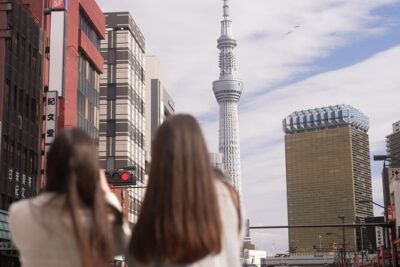
Tokyo Private Sightseeing Tour by Car- English speaking chauffeur
Read our review →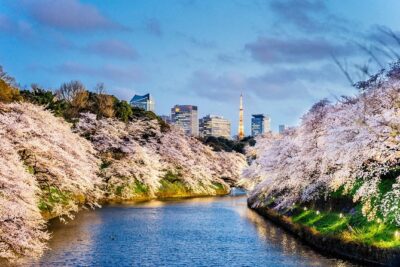
Tokyo Private Tour by Vehicle with English-Speaking Chauffeur
Read our review →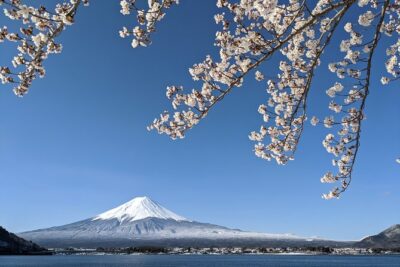
Private Car Tour to Mt. Fuji Lake Kawaguchiko or Hakone
Read our review →
Kyoto Private Car Tour – Full Day with Local Guide & Nara Option
Read our review →
Mt Fuji Exclusive Tour with Private Car English Guide
Read our review →
Tokyo Private Customizable Tour with English Speaking Chauffeur
Read our review →
Tokyo City Tour by Private Car & English guide
Read our review →Browse the lists this tour appears in