
Reviewed · COOKING CLASSES
Osaka Cooking Class: Okonomiyaki &Japanese cuisines experience
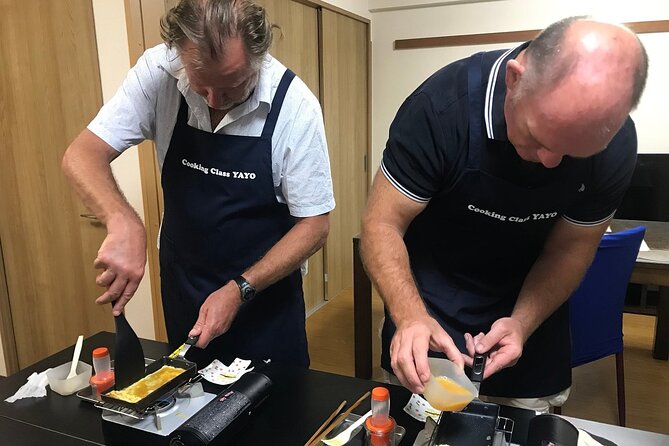
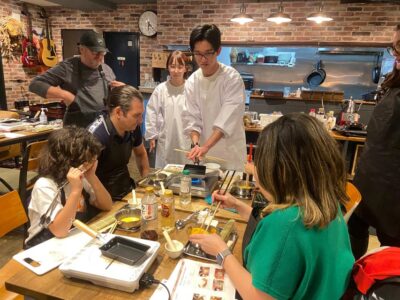
Osaka cooking starts in a real home. This Osaka Cooking Class: Okonomiyaki & Japanese cuisines experience is built around hands-on practice with Yayo, plus the best part, you eat what you cook in the middle of Osaka. You also get a small-group setup, capped at eight, so it feels closer to a cooking hangout than a demo.
I love two things most: the personal attention and the fact that the class actually teaches you how to make the dishes, not just watch. Second, the meal is the payoff. You finish full, with miso soup, takoyaki, okonomiyaki, and extra treats like taiyaki and matcha tea, and you can add a sake and beer pairing if you want.
One consideration: this is not a hotel pickup tour, and the studio is small and in the host area. You need to find the meeting spot near Noda Station and arrive on time, because late arrivals can miss out.
Key Highlights You Will Care About
- Hands-on Japanese cooking in Yayo’s home with English guidance and active participation
- Small group size (max 8), often making it feel like a semi-private lesson
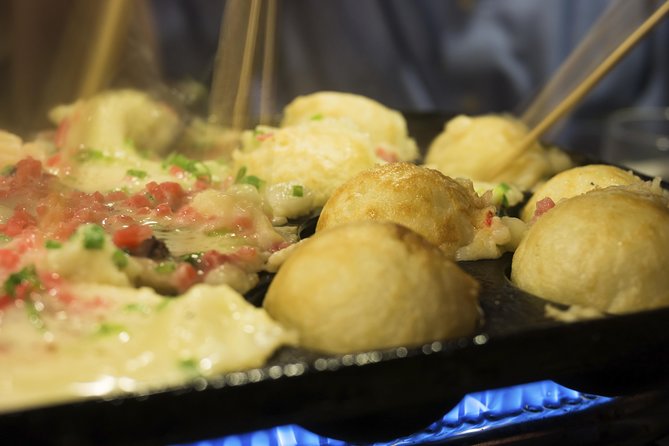
- Technique practice for miso soup, takoyaki, and okonomiyaki, not just assembling food
- Optional sake and beer pairing to match your meal
- You end with taiyaki and matcha, so it is more than one dish
- Thoughtful take-home touches like gifts and printed recipe help, noted by past students
Why an Osaka Home Cooking Class Beats a Restaurant Meal
If you want Japanese food, Osaka already has you covered at every corner. What this class gives you is the skill behind the flavor. I like that it stays practical, you learn what to do with your hands and how to think about the small choices that change the result.
This experience is also built on the human side of travel. You are not crammed into a big room. You are hosted in a local home, and Yayo teaches in a friendly, engaging way that makes the kitchen feel like a place you can actually belong.
And yes, it is a meal. You cook, you eat, and you end with extra sweets and tea. That matters because it turns learning into something tangible, not homework you forget the next day.
More Cooking Classes in Osaka
- Osaka: Ramen and Gyoza Cooking Class in Dotonbori
★ 5.0 · 378 reviews - Ramen and Gyoza Cooking Class in Osaka
★ 5.0 · 202 reviews - Osaka Sake Tasting with Takoyaki Cooking
★ 5.0 · 156 reviews
Meeting at Noda Station and Getting Into the Studio
Your day starts at the meeting point outside Noda Station in Osaka, at 1 Chome-1 Ohiraki, Fukushima Ward. From there, you head onward to the cooking studio. It is near public transportation, which keeps this from becoming a puzzle while you are trying to sightsee.
Plan for simple logistics, no hotel pickup included. This class also requires being on time, because participation cannot be guaranteed for anyone arriving more than 10 minutes late. I recommend you give yourself a buffer, especially if you are navigating Japan for the first time.
The studio is small, and only guests with a confirmed booking can join. That is good for you because it helps keep the experience controlled and comfortable, but it also means you should not expect walk-in flexibility.
Miso Soup and Dashi, Where Small Technique Changes Everything
The class begins with miso soup, and it starts with the idea that tiny technique differences matter. That is a great way to learn, because miso soup is one of those dishes that tastes simple but gets better when you understand what you are doing.
You will also hear plenty about dashi, since it shows up in Japanese kitchens as a base flavor. One of the most common takeaways from people who do this class is how much easier it feels after someone shows you the process instead of leaving you to guess from a cookbook.
What I like about starting here is that it builds confidence. You learn a foundation dish early, so when you move to more hands-on cooking, you already feel like you are in the flow.
If you are a cooking beginner, miso soup is also forgiving in the sense that the instructor can steer you quickly. If you are more experienced, you still benefit because this is about technique and taste, not just following steps.
Takoyaki Practice, From Batter to Golden Octopus Balls
Next up is takoyaki, the deep-fried octopus balls that people in Osaka treat like comfort food and party food at the same time. You learn how to make the batter and how to shape and cook the rounds so they come out properly cooked and round.
This is the part where you will feel the hands-on energy. Takoyaki is not hard because it is complicated, it is hard because timing and heat control matter. When the instructor walks you through it, you get a feel for what the pan and batter want from you.
Also, this step teaches you a real Japanese kitchen principle: the dish is not just ingredients, it is texture. Getting the exterior right matters as much as having octopus in the center.
One practical thing to prepare for: takoyaki can make you want to keep cooking even after you are full. That is usually a good sign. It means the class set you up to understand the process, not just taste something.
Same corner of Japan, a different kind of day:
- Osaka Go Karting Tour with Funny Costume
★ 5.0 · 2,658 reviews - Osaka Castle: Museum and Tower Entry Ticket
★ 4.5 · 2,380 reviews - Osaka: Shinsekai Food Tour with 13-15 Dishes at 5 Eateries
★ 4.8 · 2,204 reviews - Osaka Food Tour: 13 Dishes at 5 Local Eateries
★ 5.0 · 2,149 reviews
Okonomiyaki Build Skills, the Savory Pancake Method
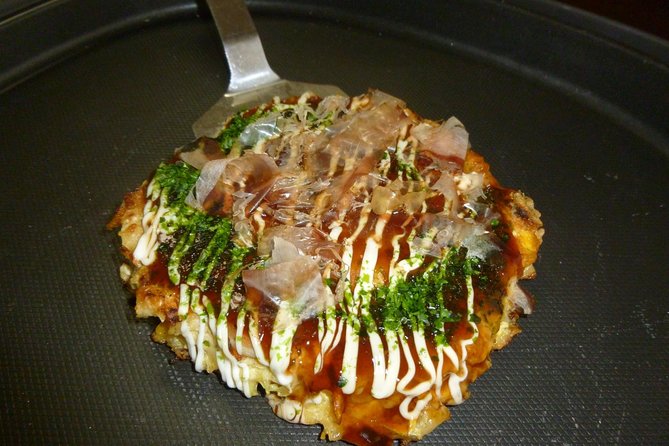
Then comes okonomiyaki, the cabbage-packed savory pancake that Osaka does especially well. In this class, you learn how to prepare it with egg, flour, cabbage, pork, and dried bonito flakes.
This is a smart dish to include because it teaches you about composition. You are balancing batter, fillings, and cook time. You are also learning how heat affects the final texture, from crisp edges to a tender inside.
Okonomiyaki also gives you a lot of room for personal preference. You will leave with a clearer sense of what ingredients do in the final dish, so when you cook at home you can adjust without panicking.
And because you are not doing this alone, you will get coaching as you go. That is where value shows up. You are paying not just for ingredients, but for corrections in real time.
Dashimaki Tamago and Other Staples You Might Make
Some classes in this category include an additional Japanese egg dish, and in the feedback you will see people mention dashimaki tamago, also called a Japanese omelet roll. If that is part of your session, it adds a nice contrast.
Why it helps: egg dishes teach control. The difference between soft and set matters, and you get instant feedback from the pan. It also rounds out the menu so your meal feels like a full Japanese home-cooked spread, not just three separate items.
Even if you are mainly here for okonomiyaki and takoyaki, extra staples are a bonus because they give you more options to recreate later.
Eating Your Own Food, Plus Taiyaki and Matcha
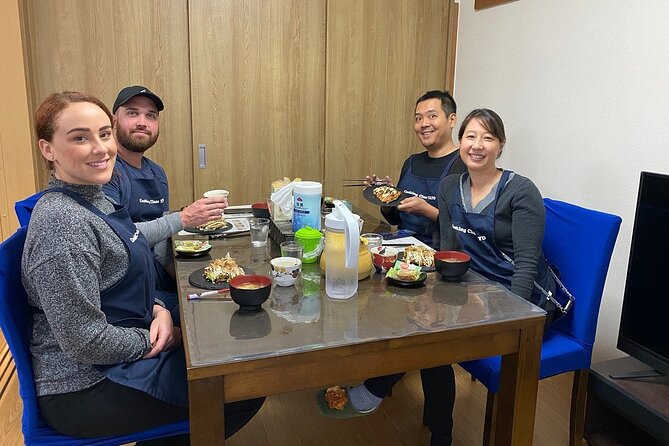
Now for the payoff. After you cook, you eat what you made with the other guests. This is not a side snack, it is the real meal portion, and the feedback consistently points out that you leave very full.
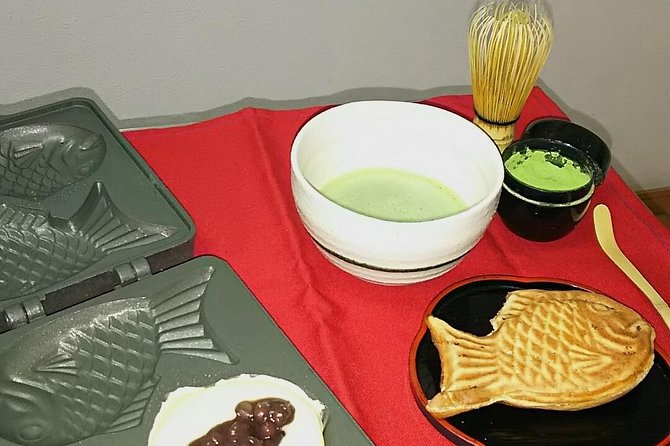
At the end, you get to try taiyaki, the fish-shaped cake, plus matcha tea. That sequence matters. You finish with something sweet and comforting after savory cooking, so the whole class feels like a complete experience rather than a single recipe lesson.
If you want something extra, there is an optional add-on for a sake and beer pairing. When it is selected, it turns the class into a meal plus a tasting moment. I like that you can choose this based on your comfort level, because pairing is fun but not everyone wants alcohol.
Price and Value: Is $104.13 Worth It?
At $104.13 per person, this is not the cheapest activity in Osaka. But it is also not just a ticket to watch someone cook. You are paying for instruction, ingredients, utensils, and a full meal made by you.
Here is what pushes the value higher:
- Small group cap of eight means you are more likely to get direct help instead of waiting your turn.
- English-speaking instructor reduces the risk of missing key steps.
- All ingredients and utensils are included, so you are not doing extra shopping or guesswork afterward.
- Lunch or dinner is included, and you eat what you cook, so the meal is part of the price, not an add-on.
If you compare it to eating multiple dishes and taking a separate food tour, you often end up paying similar money without learning the technique. This class gives you both the meal and the how-to, which is what makes it feel like a smarter use of travel time.
The Instructor Factor, Why Yayo’s Teaching Works
Most of the praise around this experience lands on Yayo as the host and teacher. People describe her as warm, welcoming, and very engaging. They also highlight that her English is strong, and she explains things clearly and with humor.
Another thing that stands out is how cultural background becomes part of the cooking. Instead of treating recipes like isolated steps, the class connects ingredients to the dishes they belong in. That is useful because it helps you remember why something works, not just what you did.
You may also get helpful materials like printed instructions in your native language, plus thoughtful gifts at the end. One of the most memorable reported touches is take-home items like chopsticks and small paper crafts, which turn the class into a souvenir you will actually use.
Who This Cooking Class Suits Best
This is a great fit if you want Osaka food without the guesswork. If you like okonomiyaki and takoyaki but have never cooked them, this class gives you a realistic starting point.
It is also ideal for:
- Food lovers who want real technique, not just tasting
- Solo travelers who want a friendly setting and easy conversation
- Couples and small groups who prefer small-scale activities
- People who want a home-style experience rather than a commercial show
If you only want to take photos and sample quickly, this may feel like too much hands-on work. Also, if you hate cooking messes, be aware that batter and frying techniques make for some kitchen contact. But in the best way, it is part of the fun.
Should You Book Cooking Class YAYO?
Book it if your idea of a great trip includes learning a skill you can use again. For me, the strongest reason is the combination of small-group attention and the chance to cook, taste, and finish with dessert and tea.
You should also feel good about the experience even if you are a beginner. The class is designed to guide you step by step, and the studio setting keeps it personal. Add the sake and beer pairing only if it sounds fun to you, otherwise you can keep it strictly about the food and still leave satisfied.
The only real reason not to book is if you cannot handle small logistics, like getting to the meeting point near Noda Station and arriving on time. If that is fine, then this is one of those Osaka experiences that sticks around long after your last bite.
FAQ
Where is the meeting point for the class?
You meet outside Noda Station, Osaka, at 1 Chome-1 Ohiraki, Fukushima Ward, Osaka 553-0007, Japan.
How long is the Osaka cooking class?
It runs for about 2 hours 30 minutes.
What dishes do you learn to make?
You learn miso soup, takoyaki, and okonomiyaki. You also try taiyaki and matcha tea before you leave.
Is the class instructor English-speaking?
Yes. The instructor is listed as English-speaking.
Is sake and beer included?
A sake and beer pairing is optional. If you select it, it is included as part of the experience.
What is included in the price?
The class includes the hands-on cooking session in the instructor’s home, English-speaking instruction, all ingredients and utensils, and lunch or dinner (what you cook). Optional local sake tasting is included only if selected.
Do you get lunch or dinner, or is it just tastings?
You enjoy lunch or dinner, and you eat what you cook.
Are vegetarian or pescatarian options available?
Yes, vegetarian and pescatarian options are available upon request at the time of booking.
What happens if I arrive late?
Participation cannot be guaranteed for guests arriving more than 10 minutes late, and refunds are not provided.
Is there free cancellation?
Yes, you can cancel for a full refund up to 24 hours in advance of the experience start time.
Fresh options around Osaka
- Osaka Dotonbori Night Photoshoot – Private | Pro Photographer★ 5.0 · 19 reviews
- Osaka: Tennen Onsen Naniwa-no-Yu, the famous hot spring spa★ 4.7 · 19 reviews
- Osaka Private Walking Tour with a Local★ 4.5 · 19 reviews
- Osaka: HEP FIVE Ferris Wheel E-Ticket in Umeda★ 4.7 · 19 reviews
- Kansai/KIX Airport to or from Osaka/Kyoto Private Transfer★ 5.0 · 20 reviews
- Guided Photography Tour in Osaka: Capturing Memories★ 4.5 · 20 reviews
- Osaka: Food Tour at Night with Tastings★ 4.9 · 20 reviews
- Osaka Private Tour with Government-Licensed Guide★ 4.8 · 20 reviews
Cooking Classes, compared.
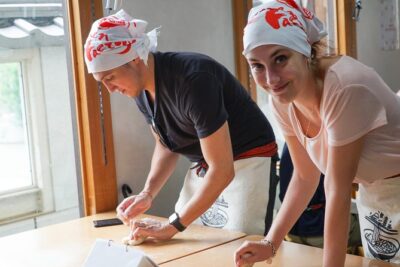
Ramen Cooking Class at Ramen Factory in Kyoto
Read our review →
Ramen & Gyoza Cooking Class in Tokyo with Local Supermarket Visit
Read our review →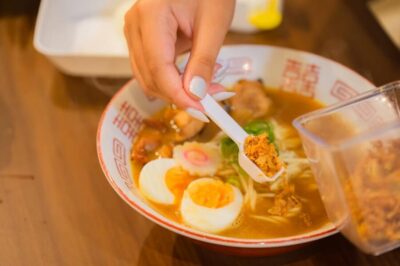
Ramen Cooking Class at a Ramen Factory with Souvenir
Read our review →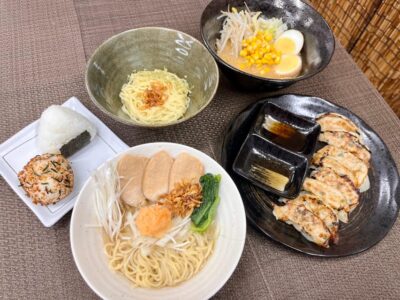
Japanese Washoku Bento Small Group Cooking Class
Read our review →
Easy Ramen Cooking Experience in Kabukicho, Shinjuku
Read our review →
Ramen and Sushi Cooking Class with Sake Pairing Set in Tokyo
Read our review →Browse the lists this tour appears in